How Long Does BellyFlush Take to Work?
Two clocks run at once. One takes a night, the other takes weeks, and confusing them causes most of the disappointment in the review record.
BellyFlush Official Website › Blog
Eleven named botanicals, three of them stimulant laxatives, and no published amount for any of them. These five articles work through what that means, including the two pieces that cost this desk sales.
Two clocks run at once. One takes a night, the other takes weeks, and confusing them causes most of the disappointment in the review record.
Same mechanism, very different evidence. One has a randomized trial and two carry a 2002 FDA finding that no sales page mentions.
A desk that sells a colon formula answering no, and explaining what these products genuinely change instead.
The interaction on this panel most likely to matter to somebody on medication, and the one word the label does not print.
Three shapes a panel can take, the extract problem, and what a fully specified label would print. Ends by scoring this product.
Both are on the label, or rather one is on it and the other is conspicuously absent, and between them they shape everything written here.
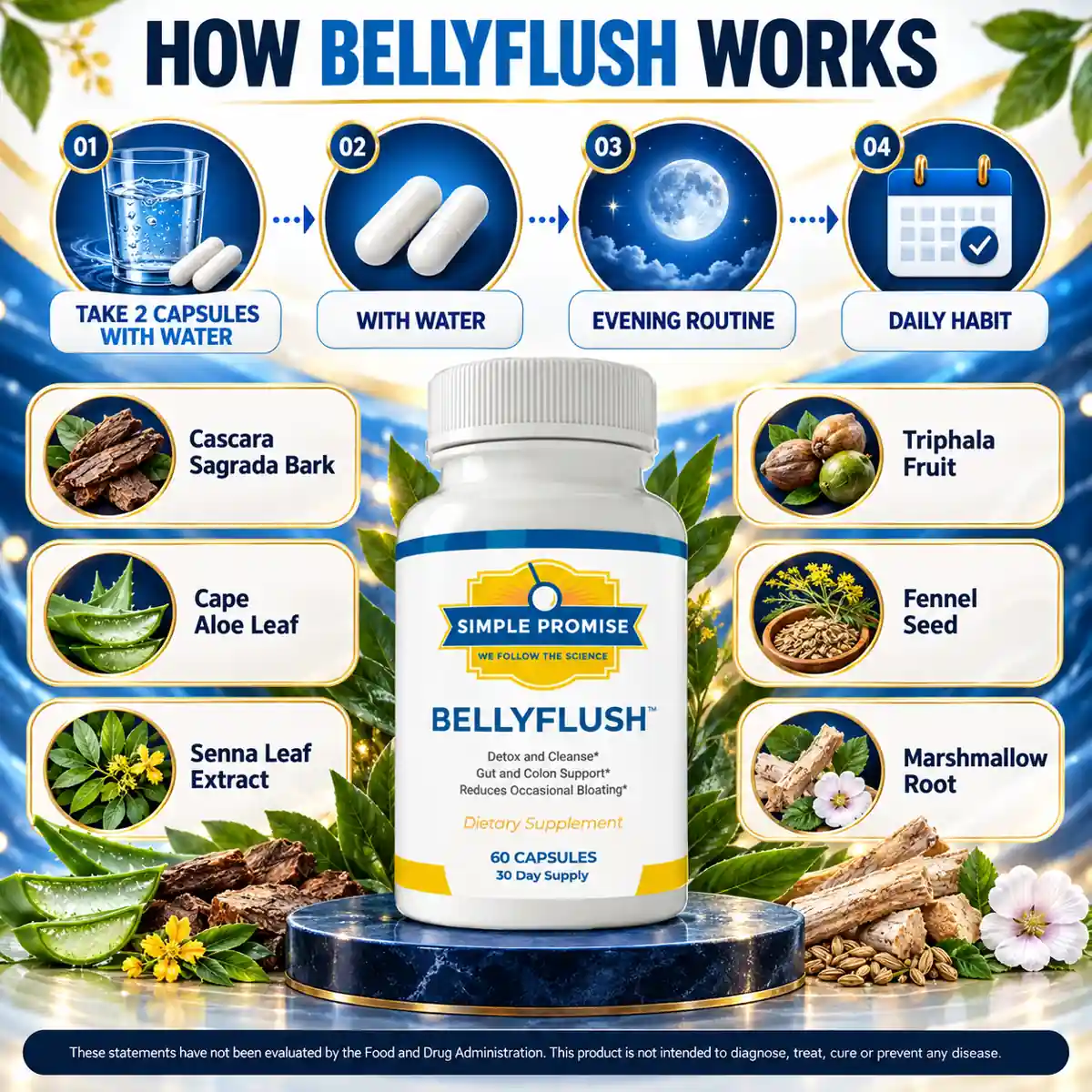
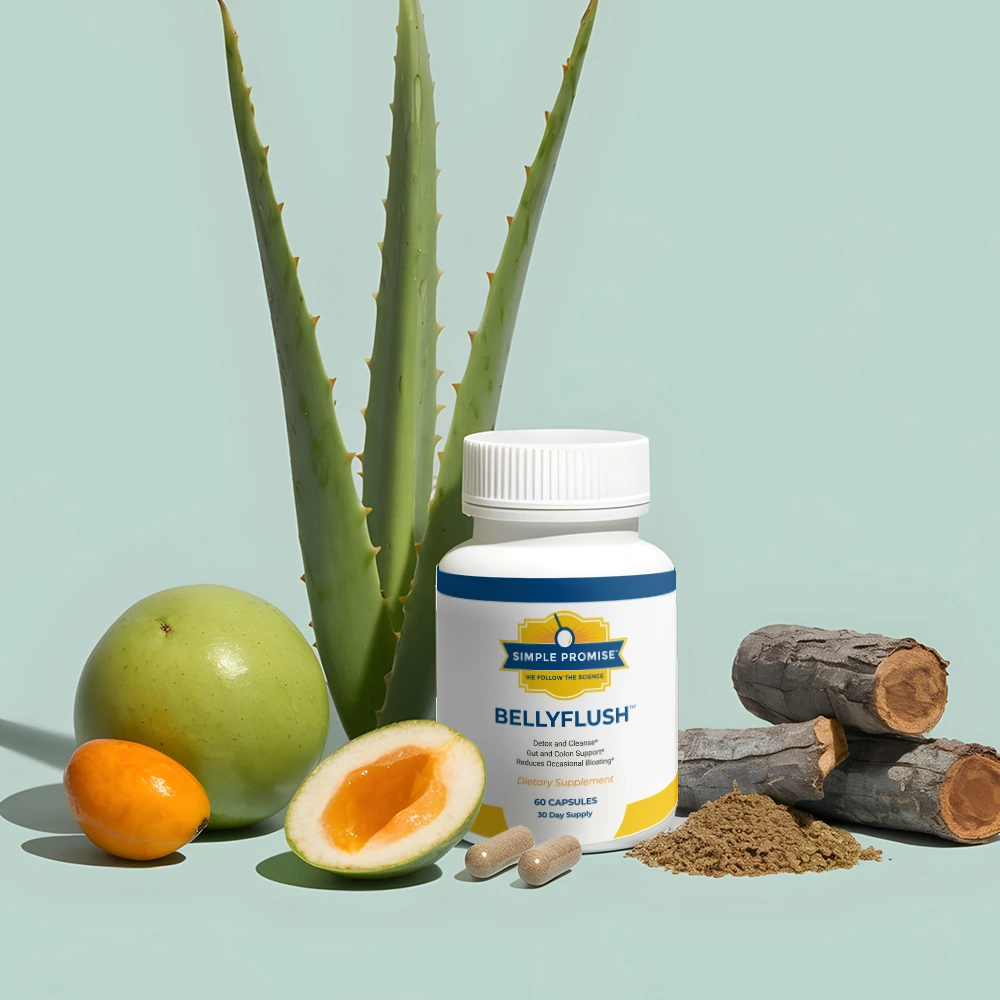
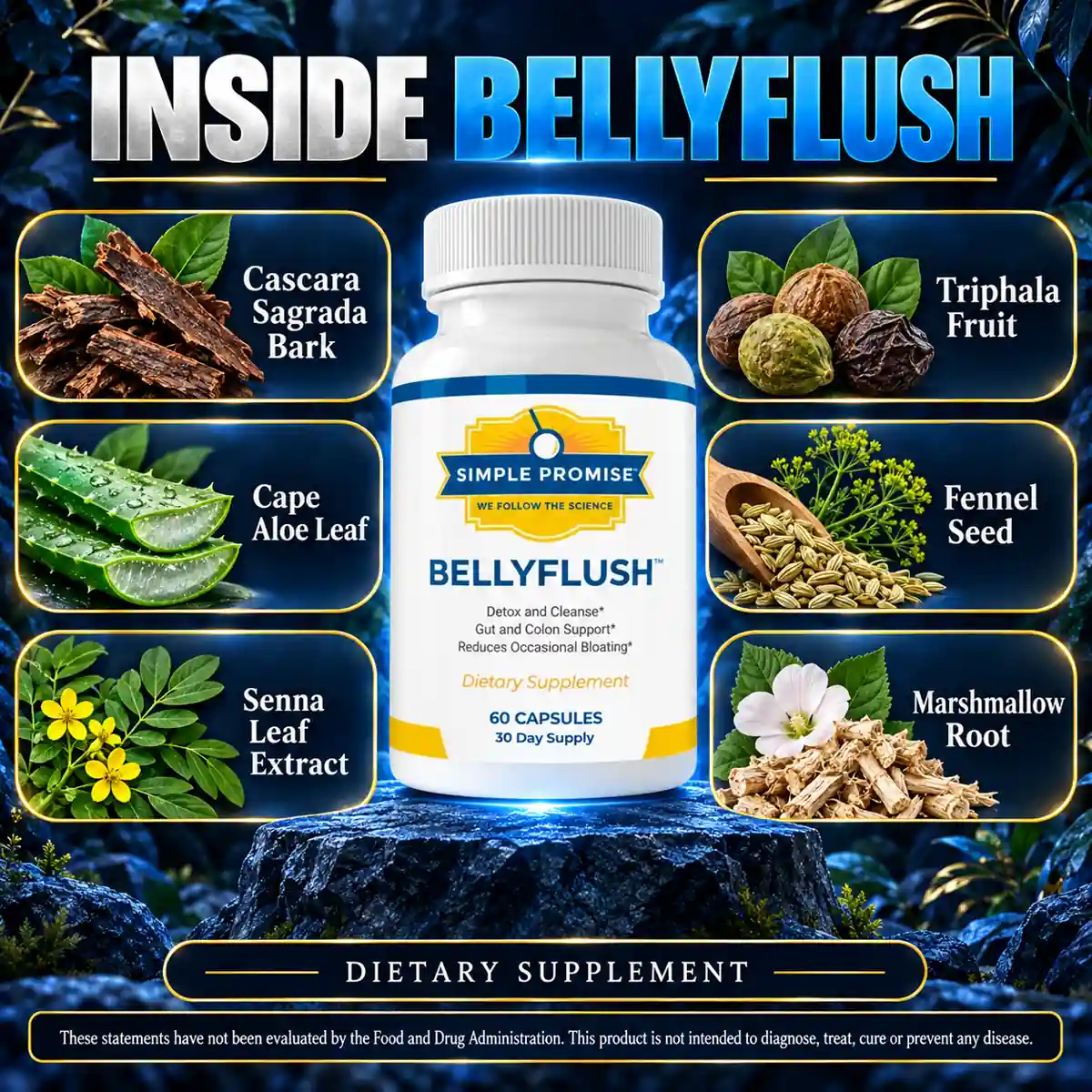
Eleven botanicals, no amounts. Cascara sagrada bark, cape aloe leaf, senna leaf extract, triphala fruit, fennel seed, bentonite clay, marshmallow root, licorice root extract, slippery elm bark, cayenne pepper fruit and milk thistle seed. No milligram figure appears beside any of them, on the bottle, on the listing artwork or in the paperwork this desk works from. That single absence is why no study cited in any of these posts can be read across to the capsule, and it is the main criticism this website makes of the product it sells.
Three of the eleven are stimulant laxatives. That is what makes the product act overnight rather than over weeks, it is the reason the serving is timed for bedtime, and it is the reason duration matters more here than in most supplement categories. Two of those three, cascara sagrada and aloe, carry a 2002 regulatory finding that no sales page in this category mentions and that every relevant page on this website does.
Everything else follows from those two sentences: why week one disappoints, why the licorice interaction compounds, why the cleanse claim does not survive contact with its own citations, and why an unspecified panel changes how a first bottle should be approached.
Every post is by the BellyFlush Team, carries a visible last-updated date, and cites public sources you can open and check. Two of the five cost the product something: one answers a buying question no, and one is about the interaction most likely to matter to somebody on medication. A blog that only flatters the bottle it sells is a brochure. Corrections go to [email protected] and the review date moves forward.
If you have not bought anything yet, read the article on how long it takes first, because almost every disappointment in the review record comes from expecting the wrong timeline. It separates the two clocks that run at once on this product, explains why night one is unremarkable by design, and gives a method for judging the rest at four weeks using a number rather than a memory.
If you have already ordered, read the licorice piece and take it to a pharmacist. It is the interaction on this panel most likely to matter to somebody on medication and the one least likely to be assumed, because most people think of licorice as a sweet rather than as something that acts on the kidney.
If you are still deciding whether the category makes sense at all, the piece answering whether a colon cleanse is necessary is the one to read, and its answer is no. The two reference guides cover the same ground at more length and without an order button anywhere on them.
How long it takes separates the six to twelve hour laxative effect from the three to six week subjective one, works through a month week by week, and explains why the same bottle behaves differently in different people.
The three laxatives explains what an anthraquinone is, why senna is the only one of the three with a randomized trial behind it, and what the 2002 FDA ruling on cascara sagrada and aloe actually says. It ends by arguing that a single-herb product is the better buy for anybody whose priority is knowing the dose.
Is a colon cleanse necessary answers no, traces the idea back to a discarded nineteenth-century theory, and sets out what these products genuinely change instead. It also explains why a desk that says all of that sells one anyway.
Licorice and blood pressure covers the mechanism, the meta-analysis behind it, why it compounds with the laxatives on the same panel, and the one word this label does not print.
Reading a label with no milligrams is category literacy: three shapes a panel can take, the extract ratio problem, standardisation, and what a fully specified label would print. It finishes by scoring this product against seven questions and reporting seven blanks.
Search for almost anything in this category and the results divide into two kinds of page. Sales pages dressed as articles, which answer the question in a direction that ends at a checkout. And warning pages dressed as journalism, which answer it in the opposite direction and are frequently just as thin. Neither tells you how the products actually work.
These five articles are an attempt at the third thing. They explain the mechanism, cite the research inline so you can open it, and say plainly where the evidence stops. Two of them argue against a purchase, which is the only way the other three are worth reading. All five are written from the printed label and the published literature rather than from the manufacturer's marketing copy.
They are also deliberately separate from the product pages. The ingredients page and the side effects page are specifications: they tell you what is in the bottle and what it does. These posts are context: they tell you what to make of that. Mixing the two makes both less useful, which is why the blog is not in the navigation and is linked from the body of the pages it belongs with instead.
No post here will claim a weight outcome, a measurement or an energy effect, because none of those is on the label. No post will describe the finished product as clinically proven, since no trial of it exists. No post will present a laboratory certificate this desk has not seen, and no post will invent a clinician to sign it.
What these articles do instead is cite public sources inline, print the amounts as not published because that is what the label says, and name the two places where this desk disagrees with the marketing around the product it sells. That is the whole editorial position, and it is described in full on the about page.
One more thing they will not do: pretend this desk is neutral. It sells the product these articles are about and it earns when somebody orders. The only useful response to that is to be specific about where the incentive is resisted, which is why two of the five posts argue against a purchase and why the checklist in the reference guides fails this product on three of nine checks in public.

Every page, every journal post, the bottle facts and the ingredients go through review by Alyssa Simpson, RDN before they ship. We write these pages from the BellyFlush label and this desk’s own order paperwork, cite published research for each named botanical, and print “not published” wherever a figure is not disclosed rather than estimating it. The seal beside this note names no clinician, and we treat it as a manufacturing statement rather than a medical endorsement. Corrections are made on the page and the review date moves forward. Write to [email protected]. Last reviewed September 2026 by Alyssa Simpson, RDN.
Everything here is written so a reader can judge the product properly, including the parts that are not flattering.
$198 for six bottles, $33 each
Order BellyFlush On The Official WebsiteOne-time payment · no subscription · 365-day money-back guarantee · lot BEL-26/BE-3584