BellyFlush Official Website › Blog › Does BellyFlush Interact With Medicines?
Does BellyFlush Interact With Medicines? Diuretics, Blood Thinners and Clay
Yes, it can. The interactions that matter are diuretics, corticosteroids, digoxin, blood thinners and blood pressure medicines, because three laxatives and licorice root can push potassium or blood pressure the wrong way. Bentonite clay can also bind other medicines, so keep them at least two hours apart. Ask a pharmacist before the first capsule.
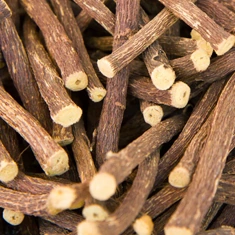
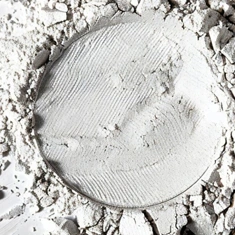
- The groups to ask about are diuretics, corticosteroids, digoxin, blood thinners and blood pressure medicines.
- Licorice root can raise blood pressure and lower potassium with consistent use, and the laxatives lower potassium too.
- Bentonite clay binds. Keep other tablets at least two hours away from the capsules.
- Stop and seek advice for dizziness, muscle weakness, an irregular heartbeat, sharp pain, bleeding or vomiting.
- The label has no duration limit, no potassium warning and no spacing instruction for other medicines.
- Not for anyone under 18 or anyone pregnant or nursing.
Which medicines should you ask about before taking BellyFlush?
Take this list to a pharmacist, not to a search box. It is a two-minute conversation, and it is the single most useful thing you can do before the first capsule.
| If you take | Why it matters | What to do |
|---|---|---|
| A diuretic or a corticosteroid | Each lowers potassium on its own. A stimulant laxative and licorice add more loss from two more directions | Ask a pharmacist before the first capsule |
| Digoxin or another cardiac glycoside | Digoxin becomes more dangerous as potassium falls. This is the interaction with the most serious consequence | Do not start without medical advice |
| A blood pressure medicine | Licorice works against it, and the label does not say whether the extract is deglycyrrhizinated | Ask first, and name licorice |
| A blood thinner | Faster transit and changes in bowel habit can shift control, warfarin in particular | Tell the clinic that manages it |
| Anything else by mouth, including the contraceptive pill and thyroid medication | Bentonite clay binds and can reduce absorption | Keep at least two hours between them and the capsules |
| Another laxative or a magnesium preparation | Stacking multiplies the same effect and the same electrolyte loss | One at a time |
Why does potassium come up again and again?
Potassium is the thread that ties the table together. Two things on this panel push it down, and they do it by different routes.
The stimulant laxatives, senna, cascara sagrada and cape aloe, cause potassium loss through the bowel. Licorice root, through its glycyrrhizin, causes loss through the kidney. Penninkilampi 2017 pooled the studies on consistent licorice intake and found an association with raised blood pressure and lowered potassium.
Someone already on a diuretic is adding a third route to two that already exist. That is why the first warning signs are worth knowing by heart: dizziness, fainting, muscle weakness, leg cramps and an irregular heartbeat can all signal low potassium. Stop and get advice if any of them appears.
What does the label leave unsaid about licorice?
Three things. The amount is not published. The label does not say whether the extract is deglycyrrhizinated, which is the form with most of the pressure-raising compound removed. And no extraction ratio is given.
The same ingredient has a respectable side, which is why it sits on the panel. Raveendra 2012 was a randomized, double-blind, placebo-controlled trial of a standardised licorice extract in functional dyspepsia, and it reported symptom relief. The NCCIH page on licorice root sums up the plant and its cautions.
A trial in a different condition at a stated dose does not tell you what this capsule does to your blood pressure. For a longer look, the licorice post on this blog sets out the interaction on this label in detail: Licorice Root and Blood Pressure.
How does bentonite clay get in the way of other medicines?
Bentonite is a swelling clay with a strong negative surface charge. That is why it binds positively charged molecules and why it turns up in cleanse formulas. It does not know the difference between something you want out and something you swallowed on purpose.
The practical rule is simple. Keep at least two hours between the capsules and any other medicine or supplement. If you take something at night, ask a pharmacist which side of the gap your medicine should sit on. No spacing instruction appears on the label, so this is a gap the buyer has to fill.
Bulk fibre is a related case. Taken together with the clay it makes a thicker mixture than either alone, so separate them by a couple of hours too.
Who else should skip BellyFlush or ask first?
Do not use
- Anyone under 18
- Anyone pregnant or nursing
- Anyone with undiagnosed belly pain
- Anyone with a suspected blockage
Ask a clinician first
- A diagnosed bowel condition, such as inflammatory bowel disease or diverticular disease
- A diuretic, corticosteroid, digoxin, blood thinner or blood pressure medicine
- High blood pressure
- Chilli sensitivity or reflux, because cayenne is on the panel
Healthy adults aged 18 and over are the only group the label describes. Even for them, the label asks you not to take more than the serving.
What do you say to a pharmacist?
- Lead with the class, not the brand. Say a herbal stimulant laxative containing senna, cascara sagrada and cape aloe. A pharmacist will recognise all three at once.
- Name licorice on its own. Ask whether it interacts with anything you take, and mention blood pressure.
- Ask about spacing, then potassium. Which of your medicines needs a two-hour gap, and does anything you take already lower potassium?
- Bring the panel. A list of the eleven named botanicals is more useful than describing a bottle. This site prints it in a table.
What does the bottle not warn about?
Four things a cautious label might say are absent, in this desk's reading. None of them is a scandal. All of them are the reason this page exists.
- A duration limit. Over-the-counter stimulant laxatives sold at a pharmacy usually warn against using them for more than about a week without advice. This label gives no such warning.
- A potassium warning. Neither the laxatives nor the licorice carries an explicit electrolyte caution here.
- A spacing rule. Nothing tells you to keep other medicines away from the clay.
- Obstruction. A suspected blockage is the one situation where a stimulant laxative is genuinely dangerous.
This desk is not the manufacturer and cannot change what is printed. If the bottle you receive carries these warnings, that is better than what this desk has seen, and the page will be corrected.
What do the label, price and guarantee say?
| Pack | Total | Per bottle | Supply | Cost a day |
|---|---|---|---|---|
| 1 bottle | $59 | $59 | 30 days | $1.97 |
| 3 bottles | $147 | $49 | 90 days | $1.63 |
| 6 bottles | $198 | $33 | 180 days | $1.10 |
The guarantee runs 365 days and covers opened bottles. If a pharmacist tells you the capsule does not suit your medicines, call +1 (800) 390-6035 with the order ID. Empty bottles must be returned at the buyer's postage cost.
General information, not medical advice. BellyFlush is a dietary supplement for healthy adults aged 18 and over. It is not a drug, it is not FDA-approved (no dietary supplement is), and it is not intended to diagnose, treat, cure or prevent any disease. It is not for anyone under 18, or anyone pregnant or nursing. It contains three stimulant laxatives, so ask a doctor or pharmacist first if you take a diuretic, a corticosteroid, digoxin, a blood thinner or a blood pressure medicine, or if you have a bowel condition. Pain, bleeding, vomiting, dizziness or an irregular heartbeat means stop and get advice.
Sources used
- Penninkilampi 2017, J Hum Hypertens. https://pubmed.ncbi.nlm.nih.gov/28660884/
- Raveendra 2012, Evid Based Complement Alternat Med. https://pubmed.ncbi.nlm.nih.gov/21747893/
- NCCIH, Licorice Root. https://www.nccih.nih.gov/health/licorice-root
Frequently asked questions
Does BellyFlush interact with medicines?
It can. Diuretics, corticosteroids, digoxin, blood thinners and blood pressure medicines are the groups that matter, and bentonite clay can bind other medicines. Ask a pharmacist before taking it.
How far apart should I keep BellyFlush and other medicines?
Keep at least two hours between the capsules and any other medicine or supplement, because bentonite clay binds. No spacing instruction is printed on the label.
Can BellyFlush lower potassium?
Stimulant laxatives cause potassium loss through the bowel, and licorice root can lower potassium through the kidney with consistent use. Dizziness, muscle weakness or an irregular heartbeat means stop and get advice.
Is BellyFlush safe with blood pressure medicine?
Licorice root can raise blood pressure and works against blood pressure medicines. The label does not say whether the extract is deglycyrrhizinated, so ask a doctor or pharmacist first.
Can I take BellyFlush with a blood thinner?
Changes in transit and bowel habit can shift control of a blood thinner, warfarin in particular. Tell the clinic that manages it before you start.
Who should not take BellyFlush at all?
Anyone under 18, anyone pregnant or nursing, and anyone with undiagnosed belly pain or a suspected blockage.
Our view
Our view is that the interaction list is the strongest reason to treat BellyFlush as a short course and not a habit. Three laxatives, licorice and a clay on one panel, with no printed amounts, is a combination that deserves a pharmacist's two minutes.
If you take any of the medicines in the table, ask first. If you take none, the plain rules still apply: a full glass of water, a gap before other tablets, and a stop at the first sign of pain, bleeding, dizziness or an uneven heartbeat.
Last updated . Medically reviewed by Alyssa Simpson, RDN, Registered dietitian.