BellyFlush Official Website › Blog › Is BellyFlush FDA Approved?
Is BellyFlush FDA Approved? What an FDA-Registered Facility Means
No. BellyFlush is a dietary supplement, and no dietary supplement is FDA-approved. The label says it is made in the United States in an FDA-registered facility that follows Good Manufacturing Practice. That describes a factory on a register. It is not approval of the product, and the label claims have not been evaluated by the FDA.
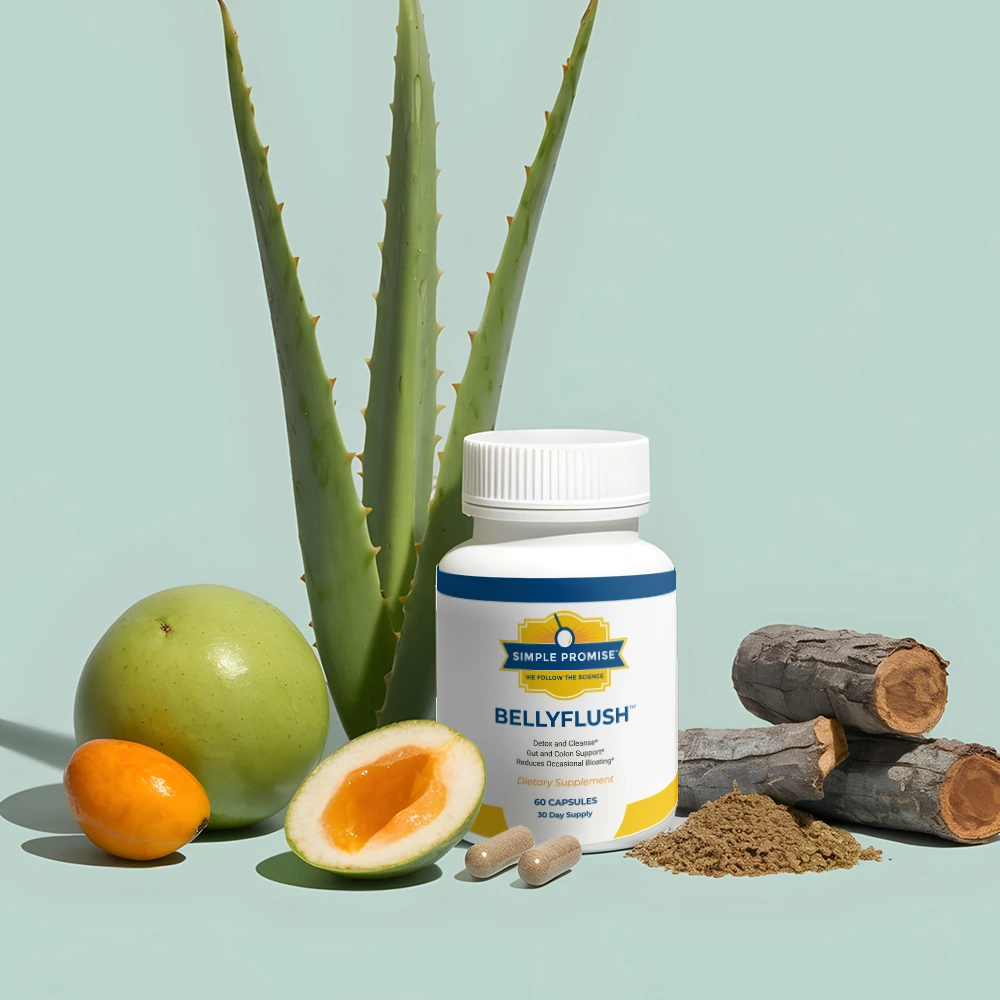
- BellyFlush is a dietary supplement, which makes it neither a drug nor an FDA-approved product.
- FDA-registered describes the factory, not the capsule. Registration is a list, not an inspection or an endorsement.
- Good Manufacturing Practice is a process standard. It does not tell you how much senna is in a capsule.
- The three label claims are structure and function statements that the FDA has not evaluated.
- A 2002 FDA final rule on cascara sagrada and aloe covers over-the-counter laxative drug products, not supplements.
- No third-party certification mark such as USP or NSF is printed on the label.
What does “FDA approved” actually mean?
People type the question into a search box because the word approved sounds like a safety stamp. For medicines, approval is a real step. For supplements, there is no such step.
Supplements reach the market without pre-market approval of safety or effectiveness. That is a different regulatory route from the one medicines take, and the FDA's own question-and-answer page explains it in plain language. The NIH Office of Dietary Supplements covers the same ground from the buyer's side.
So the honest answer for BellyFlush is short. It is not FDA-approved. Neither is any other dietary supplement. If a page ever says otherwise, treat the rest of that page with care.
What does an FDA-registered facility mean on the BellyFlush label?
The label says the capsule is made in the United States in an FDA-registered facility. It means the factory has registered with the FDA, which makers of dietary supplements are required to do.
Think of a phone book. A name in it tells you the business exists. It does not tell you how good the work is. Registration is a list. It is not an inspection, it is not an endorsement, and it says nothing about the product made there.
The sentence that has to sit next to it is the one in the first line of this page: no dietary supplement is FDA-approved. A registered-facility roundel on a bottle is fine to see. Reading it as approval is the mistake.
Does Good Manufacturing Practice tell you what is in the capsule?
Good Manufacturing Practice, or GMP, is the stronger of the two marks. It is a set of rules about identity, purity, strength and composition. In daily terms, a maker has to check that an incoming plant is the plant it claims to be, stop one batch contaminating another, follow a written record, and keep papers that let someone rebuild what happened to a batch.
It is still a statement about process. Two limits are worth holding in mind:
- The specifications are set by the maker. Meeting them shows consistency. It does not show potency.
- It is a duty, not a certificate. Inspection checks it when an inspection happens. No paper is issued for each batch.
So GMP is a real standard and it lowers the risk of the wrong plant or a contaminated batch. It still cannot tell you how much senna, cascara or aloe is in two capsules, because the label publishes no amount for any of the eleven botanicals.
Has the FDA checked the three BellyFlush label claims?
The label makes three claims: detox and cleanse, gut and colon support, and reduces occasional bloating. All three are structure and function statements. The label carries the usual line that they have not been evaluated by the Food and Drug Administration, and that the product is not intended to diagnose, treat, cure or prevent any disease.
That line is not fine print to skip. It tells you the agency did not weigh those three sentences against evidence before the bottle went on sale.
It also tells you what the label leaves out. Weight change, appetite control, energy, immunity and treatment of any diagnosed condition are not on it, and this site does not claim them either.
What does the 2002 FDA rule say about cascara and aloe?
This is the fact most sales pages skip. Count the plants on the panel and three turn out to be stimulant laxatives: cascara sagrada bark, cape aloe leaf and senna leaf extract. the 2002 FDA final rule (67 FR 31125, 9 May 2002) names two of them, cascara sagrada and aloe, as not generally recognized as safe and effective in over-the-counter laxative drug products.
The reason given was missing data. The makers were asked for safety and effectiveness data and did not submit it. That is a finding about absent evidence. It is not a finding of proven harm.
Both halves belong in any honest summary. The rule governs drug products, not dietary supplements, so a capsule that contains these plants is lawful. A buyer who did not know the history is still entitled to hear it.
| Botanical | Role in the formula | In the 2002 rule? | Covered by the rule as a supplement? |
|---|---|---|---|
| Cascara sagrada bark | Stimulant laxative | Yes, named | No. The rule governs OTC laxative drugs |
| Cape aloe leaf | Stimulant laxative | Yes, named | No. The rule governs OTC laxative drugs |
| Senna leaf extract | Stimulant laxative | Not named in this finding | Not applicable |
What do the other marks on the label describe?
A seal describes. It does not endorse. The testing page on this site walks through each mark, and the short version fits in one table.
| Mark on the label | What it actually says |
|---|---|
| Made in the USA | Where it was made, not what is in it |
| FDA-registered facility | The factory is on a register. Not approval |
| Good Manufacturing Practice | A process standard for how it was made |
| Non-GMO | A sourcing statement about the inputs |
| Vegetarian | Matters most for the capsule shell |
| Gluten free and dairy free | No gluten or dairy ingredient on the panel |
| Natural ingredients | A phrase with no fixed legal meaning here |
| Doctor Formulated | Names no clinician and publishes no credential |
The Doctor Formulated seal deserves one more line. It is the maker commenting on its own process. No name, credential or description of what was reviewed appears on it, so this site treats it as marketing and not as a medical endorsement.
What is not published about testing and approval?
Five blanks matter more than any roundel. This site prints them so you know which questions stay open:
- Certificate of analysis. The desk holds a reference, BEL-3584-26-BE. It is an internal reference. It has not seen a laboratory report and will not publish one it has not seen.
- Heavy-metal screen. Not published. It matters because bentonite clay is a mineral ingredient.
- Anthraquinone assay. Not published. It is the figure that would tell you how strongly the capsule acts.
- Third-party certification. No USP, NSF or similar mark is printed on the label.
- Full allergen statement. Not published. Three free-from marks are printed, which is narrower.
What can you check on a bottle yourself?
You cannot test the capsule at home. You can confirm the bottle is what it says it is, in about two minutes:
- Read the three claim lines under the brand name. They should read in this order: detox and cleanse, gut and colon support, reduces occasional bloating.
- Find the gold band at the foot of the label. It should say 60 capsules and a 30-day supply.
- Turn the bottle over and look for the lot code on the base, where the bottle carries it. The lot this desk ships from is BEL-26/BE-3584.
- Check that the seal is intact before the first capsule.
- If anything looks off, call +1 (800) 390-6035 with the order ID.
What do the price and guarantee facts look like next to all this?
A fair buying decision puts the regulatory facts beside the commercial ones. Here they are. Payment is one time through ClickBank, Boise, ID. There is no subscription and no rebill.
| Pack | Total | Per bottle | Supply | Cost a day |
|---|---|---|---|---|
| 1 bottle | $59 | $59 | 30 days | $1.97 |
| 3 bottles | $147 | $49 | 90 days | $1.63 |
| 6 bottles | $198 | $33 | 180 days | $1.10 |
The guarantee is 365 days from the date of purchase, and it covers opened bottles. One condition decides whether it helps you: the empty bottles must come back, at your postage cost, before a refund is issued. Money back is a purchase policy. It is not a medical promise, and it says nothing about regulatory status.
General information, not medical advice. BellyFlush is a dietary supplement for healthy adults aged 18 and over. It is not a drug, it is not FDA-approved (no dietary supplement is), and it is not intended to diagnose, treat, cure or prevent any disease. It is not for anyone under 18, or anyone pregnant or nursing. It contains three stimulant laxatives, so ask a doctor or pharmacist first if you take a diuretic, a corticosteroid, digoxin, a blood thinner or a blood pressure medicine, or if you have a bowel condition. Pain, bleeding, vomiting, dizziness or an irregular heartbeat means stop and get advice.
Sources used
- FDA, Questions and Answers on Dietary Supplements. https://www.fda.gov/food/information-consumers-using-dietary-supplements/questions-and-answers-dietary-supplements
- NIH ODS, Dietary Supplements: What You Need to Know. https://ods.od.nih.gov/factsheets/WYNTK-Consumer/
- FDA final rule 67 FR 31125 (2002). https://www.federalregister.gov/documents/2002/05/09/02-11510/status-of-certain-additional-over-the-counter-drug-category-ii-and-iii-active-ingredients
Frequently asked questions
Is BellyFlush FDA approved?
No. BellyFlush is a dietary supplement, and no dietary supplement is FDA-approved. The label mentions an FDA-registered facility, which describes the factory and not the product.
What does FDA-registered mean?
It means the facility is listed with the FDA, which makers of dietary supplements must do. It is a register entry. It is not an inspection result, an approval or an endorsement of the capsule.
Does Good Manufacturing Practice mean the capsules are tested for strength?
No. GMP is a process standard about identity, purity, strength and composition, with specifications set by the maker. It shows consistency and does not tell you how much of any botanical is in a capsule.
Does the 2002 FDA rule ban cascara sagrada or aloe?
No. For over-the-counter laxative drug products, the rule says they are not generally recognized as safe and effective, because the requested data were never submitted. It governs drugs, not dietary supplements.
Has the FDA evaluated the BellyFlush label claims?
No. The label states that the claims have not been evaluated by the Food and Drug Administration and that the product is not intended to diagnose, treat, cure or prevent any disease.
Who should I ask about safety?
A doctor or pharmacist, especially if you take a diuretic, a corticosteroid, digoxin, a blood thinner or a blood pressure medicine, or if you have a bowel condition.
Our view
Our view is plain. BellyFlush is not FDA-approved, and a page that blurs registered into approved is selling you a feeling. The marks on the label are real but narrow. They describe a factory and a process.
What would help most is not another seal. It is a printed amount for each botanical, a duration limit and a laboratory report. Until those exist, treat the product as a lawful herbal laxative blend with three stimulant ingredients, and use it in a short course if you use it at all. If you are unsure, a doctor or pharmacist is the right person to ask.
Last updated . Medically reviewed by Alyssa Simpson, RDN, Registered dietitian.